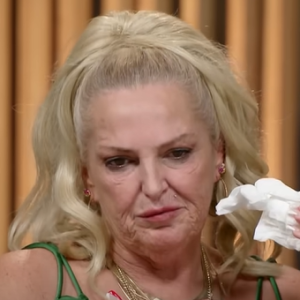
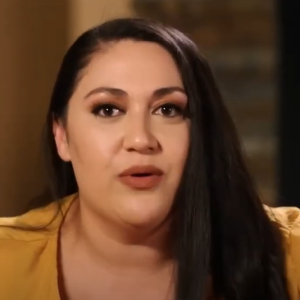
The world of “90 Day Fiancé” is never short on drama, but the latest bombshells have shattered the fragile calm that some couples had been clinging to, leaving fans breathless as their favorite stories take shocking new turns. Matt and Amani’s split has rocked the fanbase to its core, revealing that even the most promising relationships can unravel under the strain of distance, cultural clashes, and unmet expectations. Their breakup, while painful, was perhaps inevitable given the mounting tensions that simmered beneath their public appearances, where smiles often masked a deeper disconnect. Amani’s decision to end their engagement was not taken lightly; it was a culmination of heartbreak, unmet promises, and the crushing reality of growing apart. The announcement sent ripples across social media, with supporters expressing sympathy and disbelief, all reflecting on how love, though powerful, can sometimes falter without trust, communication, and shared growth. This split serves as a sobering reminder that love stories on reality TV are not scripted fairy tales but authentic, often painful journeys through human emotions and challenges, magnified under the watchful eyes of the public.
Meanwhile, Natalie’s storyline brings a refreshing, if bittersweet, narrative of moving on from heartbreak and reclaiming hope after loss. After a turbulent breakup with Josh Weinstein, Natalie has taken powerful strides toward healing, embodying resilience and transformation that inspire anyone who has ever found themselves alone and devastated. Her emergence from the shadows into a more self-assured, hopeful woman underscores the truth that recovery from emotional devastation is both possible and profoundly empowering. Fans have followed her journey with a mixture of admiration and empathy as she shared intimate details of her darkest days—nights spent unable to eat or sleep, battling the haunting silence of loneliness—and her eventual decision to seek help, focus on self-care, and rebuild her life on her own terms. Natalie’s story is not just a chapter about heartbreak but a testament to the strength it takes to redefine oneself beyond pain, turning personal tragedy into a narrative of hope and self-discovery. Her courage to share these private struggles has resonated widely, breaking stigmas around mental health and reminding viewers that healing is a winding road worth traveling.
In another corner of this labyrinthine reality saga is Tigerlily, whose journey has been marked by an excruciating ultimatum imposed by her partner, Faith. The tension between Tigerlily’s independent spirit and Faith’s demands has created an intense clash, revealing the underlying cultural and personal conflicts that often arise in cross-cultural relationships documented by “90 Day Fiancé.” Faith’s ultimatum is brutally clear: Tigerlily must choose between her autonomy and his vision of their future together, forcing her into a corner that few in their situation can easily escape. This heartbreaking dilemma unfolds not just as a romantic challenge but as a profound test of identity and values. Tigerlily’s inner turmoil is palpable as she wrestles with what compromising might mean for her sense of self and the love she once hoped to nurture. This storyline pulls viewers into the dark reality of power imbalance and emotional coercion that can lurk beneath the captivating surface of reality TV romance. It forces a difficult, urgent conversation about respect, control, and the true essence of partnership, shining a dramatic light on the boundaries that should never be crossed.
Together, the arcs of Matt and Amani’s dissolution, Natalie’s healing, and Tigerlily’s crossroads weave a complex tapestry of love’s trials and triumphs, holding a mirror to the many faces of modern relationships. These stories demonstrate that beyond the glamour and spectacle, real emotions and real struggles drive the drama – moments of joy, despair, choice, and courage playing out before millions. For Matt and Amani, the breakup is a painful but honest reckoning of incompatible dreams, where letting go becomes an act of respect and self-preservation rather than defeat. For Natalie, the aftermath of loss catalyzes growth, transforming pain into a fierce independence that inspires. And for Tigerlily, the ultimatum underscores the raw importance of boundaries and personal freedom in love, a battle many face in silence. These narratives entwine to reveal a harsh but necessary truth: love is never simple, often messy, and always requires self-honesty and strength. Each character’s journey embodies a universal human experience – that in the quest for love and connection, sometimes the greatest struggle is about standing firm in one’s truth.
Ultimately, these explosive updates from “90 Day Fiancé” do more than entertain; they provoke reflection on the raw, unfiltered realities behind the screen’s dramatized facades. They challenge viewers to confront uncomfortable truths about love’s fragility, the necessity of self-respect, and the courage required to walk away from relationships that no longer serve one’s wellbeing. As Matt and Amani part ways, their story leaves a poignant lesson on the limits of hope when compatibility falters. Natalie’s brave journey forward shines a bright beacon for anyone mired in heartbreak, proving that the end of one chapter can mark the powerful beginning of another. Tigerlily’s emotional crossroads demand a critical look at unhealthy dynamics and the unyielding importance of autonomy. In this microcosm of human connection, “90 Day Fiancé” continues to captivate, not because of scripted plot twists, but because it exposes the raw, often uncomfortable realities of love, loss, and personal growth that reflect our shared human experience. Through heartbreak, healing, and hard decisions, the series reminds us all that love’s true drama lies not in the spectacle but in the courage it takes to be real and vulnerable in a complicated world.