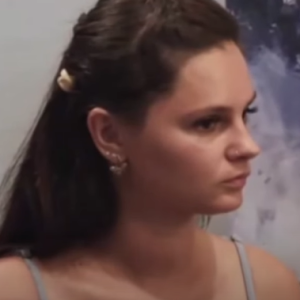
The story of Shekinah Garner and Sarper Güven, stars of the reality TV series “90 Day Fiancé,” is a whirlwind saga of love, regret, and survival against the odds, staged against the backdrop of cross-continental romance and cultural clash. From the glimmering beginnings of a hopeful connection to the raw admissions of marital strife and emotional turmoil, their journey encapsulates the volatile nature of love under pressure. It all began when Shekinah, a single mother living in Los Angeles, met Sarper, a charismatic Turkish man with a notorious past as a playboy, on a dating app. Sarper’s colorful history was no secret to viewers: he once boasted sleeping with over 2,500 women, a wild ‘bad boy’ image that Shekinah was determined to erase with her steadfast commitment and tough love. Despite their initial reluctance to wed—both considered marriage unnecessary to prove their devotion—the ticking clock of Sarper’s K1 visa forced their hand. Reluctantly, they tied the knot in a wedding that was anything but conventional, solemnized on a bed rather than a stage, emblematic of their unready hearts and the fraught nature of their union. Only months later, the fragile veneer of their so-called fairy tale began to crack. Sarper openly confessed at a reunion that he regretted the marriage, revealing that the life changes it forced upon him were daunting. He described marriage as a roller coaster, fraught with ups and downs, where the honeymoon period evaporated before it truly began. Shekinah echoed this sentiment, lamenting that they didn’t even have a honeymoon, and emphasizing how differently their relationship shifted once Sarper moved to the United States. What was once a picturesque dream was now a battleground of emotional pain, depression, and wounded pride.
Sarper’s daunting transformation from a freedom-loving bachelor to a man confined by new roles became a key source of their conflict. Accustomed to independence and control, he struggled to adapt to the restrictions that came with uprooting his life and relying on Shekinah, financially and emotionally. His depression deepened as he felt trapped and overwhelmed, describing himself as feeling “like an inmate,” confined in a life where mobility and autonomy were limited. On top of this, trust remained a persistent wedge. Shekinah’s suspicion of Sarper never fully dissipated, fueled by his past and her inability to shake doubt even with his repeated promises of faithfulness. She went so far as to discreetly track Sarper’s location with an AirTag hidden in his car keys, a testament to the underlying tension and fractures in their connection. Countless arguments and periods of sleeping in separate rooms followed, each conflict a strike against their fragile bond, igniting a clash of egos that left them exhausted and emotionally raw. Sarper’s cold feet were not a mystery, harking to the collapse of his previous marriage and the overwhelming fear that history might repeat itself. At the tell-all, Sarper revealed a heart-wrenching moment on Christmas Day when he took off his wedding ring and left it on a table—not as a mere prop but a symbol of his turmoil, as he was kicked out and spent days separated from Shekinah, a stark reality check for both. Shekinah, in turn, voiced feelings of abandonment, questioning whether Sarper truly loved her if he could so easily walk away, highlighting the deep disconnect underneath the surface of their relationship. 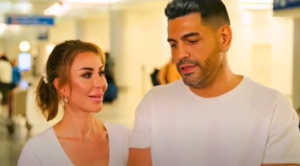
Yet even amid the storm, glimpses of hope emerged. The couple showed moments of tenderness, such as a shared selfie with their pet dog that Shekinah posted in response to fans who wished them well, signaling that despite their troubles, some affection and commitment clung to their story. Both admitted they had never wanted to marry initially, seeing the traditional institution as a cultural construct, something neither desired but felt compelled to accept for practical reasons, particularly the K1 visa process. Sarper himself downplayed the importance of the legal ceremony, emphasizing instead the emotional commitment, which he valued more than a signature on paper. This unconventional approach reflected their complicated views on love and marriage but also underscored the challenges of blending personal desires with external pressures. Their relationship saga did not end with the finale of “90 Day Fiancé” season 11. Rumors now swirl about their participation in “90 Day: The Last Resort,” hinting that their unfolding drama is far from over. They face issues reportedly even more severe than those experienced by other couples featured in the series, battling deeper fissures that threaten to pull them apart yet possibly still holding something together as they navigate life’s turbulent waters.
Shikina’s public openness on social media further illuminates her conflicted sentiments about the future. She candidly discussed her lack of plans to continue on the franchise, suggesting a weariness with the limelight and the relentless scrutiny of their private lives. Sarper, meanwhile, has begun carving out a new path, performing stand-up comedy and fitness workshops, efforts that signal his attempt to regain independence and rebuild a sense of self apart from the marriage strain. Professionally, Shekinah also sacrificed, traveling frequently between Los Angeles and Istanbul, which disrupted her career as a licensed esthetician and caused financial hardship. Their love story thus echoes with the price paid in the name of devotion—dreams deferred, careers stalled, and hearts bruised. At its heart, the tale of Shekinah and Sarper is a poignant, dramatic narrative about the collision of culture, expectations, and individual desires. It shows how even the most romantic intentions can falter when reality imposes its heavy demands and how love, while powerful, is often tested by circumstances beyond control. Their shared journey is a vivid reminder that some unions require more than love to survive; they demand resilience, understanding, and sometimes, the painful courage to confront truths that no television script can fully capture.