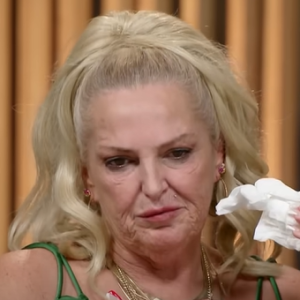
The shocking news of Jasmine Pineda’s sudden hospital death sent ripples through the 90 Day Fiancé fan community, stirring a whirlwind of emotions and unanswered questions. Jasmine, a vibrant and outspoken figure on the show, was known for her fiery personality and the tumultuous relationships that kept viewers hooked. Her passing, under mysterious and heartbreaking circumstances, shattered the illusion of reality TV drama being confined to on-screen conflict and reminded everyone that behind the scenes, reality can be far harsher and more tragic. As fans grappled with the news, many struggled to piece together the events leading to her hospitalization and untimely death, searching for a truth that seemed elusive and painful. This scandalous and tragic chapter in 90 Day Fiancé history laid bare the complex, sometimes dark realities behind the voyeuristic entertainment—the very real human costs hidden beneath the surface of dramatic storylines.
The journey that led to Jasmine’s demise was riddled with turmoil, both public and private. Those who followed her story knew her exchanges with partner Gino were anything but smooth, marked by fiery arguments, accusations, and emotional outbursts that often spilled into the public eye. Their unstable relationship was a prime example of how love intertwines with conflict, with moments of tenderness constantly overshadowed by mistrust and jealousy. Behind closed doors, Jasmine battled her own demons—emotional struggles intensified by the relentless spotlight of reality TV and the pressures of maintaining a turbulent relationship on camera. It was clear that the weight of these combined stresses manifested in ways that few fully understood until the tragic climax that no one saw coming. Her hospitalization was not just a moment of crisis but a terrible warning that echoed the desperation and fragility hidden beneath her fierce exterior.
As reports emerged, details about the circumstances of Jasmine’s hospitalization and eventual death provoked shock and sorrow in equal measure. Sources revealed a cascade of medical emergencies, compounded by the emotional instability that had become part of her public persona. The hospital scenes were depicted as harrowing—doctors and loved ones desperately trying to keep her alive while the scrutiny of the media and fans intensified the pressure on everyone involved. The tragedy raised uncomfortable questions about the role of reality TV production in the wellbeing of its stars: Was there adequate care and support? Had the relentless drama taken a toll too profound to ignore? Fans debated these issues passionately, some criticizing the show’s producers for pushing contestants into emotionally destructive situations for ratings. Jasmine’s death was not just a personal loss but a wake-up call about the ethical responsibilities that come with chronicling real people’s lives for entertainment.
In the aftermath of the tragedy, the ripple effects touched everyone connected to Jasmine’s story, from immediate family to the cast and crew of 90 Day Fiancé. Grief mingled with anger, and the heartbreaking reality of loss cast a long shadow over the show’s production. Vigils were held, tributes poured in from fans around the world, and fellow cast members struggled to process the news while continuing to live their own highly publicized lives. The scandal forced a reckoning for the franchise—how could the show continue when a beloved star had met such a tragic end? There was also a profound sense of vulnerability, as viewers and participants alike realized that these aren’t just characters on a screen but real people with real struggles. The episode sparked an important dialogue about mental health, the limits of fame, and the urgent need for support systems for reality TV participants who often face overwhelming pressures with little respite.
Ultimately, the story of Jasmine Pineda’s hospital death is a deeply tragic reminder that the harshest dramas unfold far from the cameras, behind the staged scenes and scripted moments. It exposes the collision of reality and entertainment, where personal pain becomes public spectacle and the fight for love can end in devastating loss. For the millions who followed 90 Day Fiancé, Jasmine’s story is a painful chapter that transcends typical reality TV drama, provoking empathy, reflection, and sobering questions about the cost of fame. Her legacy remains a cautionary tale about the human heart’s limits and the fragile line between performance and reality. This scandal, marked by heartbreak and controversy, will linger in the memories of fans—and in the collective conscience of those who question how society consumes stories of love, fight, and loss so publicly and so intimately.