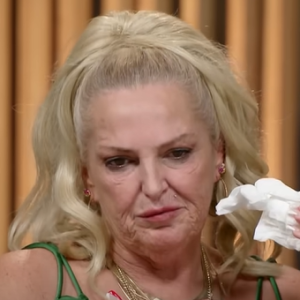
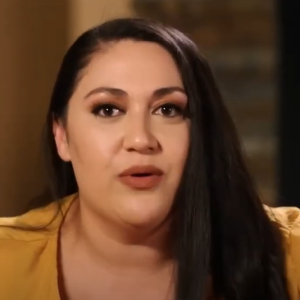
The grand ballroom of the reunion set glistened under the unforgiving stage lights, a palpable tension buzzing through the air as the cast of Love’s Journey Season 11 squared off in front of a live audience. For years, these reunions had been a turning point where stories untold were revealed and festering wounds reopened, but this season’s concluding special promised an especially electrifying atmosphere. Veteran host Sarah Jenkins, known for her composed and empathetic style, had expertly navigated the turbulent relationships of previous seasons, yet even her steady hand seemed to falter this time. The fiery clash between LRA and Salana dominated the evening, erupting into a riveting spectacle born not just of their on-screen experiences but also of hidden offline tensions and unspeakable personal accusations. What began as an uneasy truce fractured when Salana charged LRA with insensitivity over her partner Alex’s gender identity, a deeply sensitive topic made more complex by the presence of Kay, a transgender cast member, in the room. This confrontation spiraled beyond mere disagreement, exposing depths of mistrust rooted in social media exchanges and private messages that many viewers had never seen, transforming the reunion from a moment of reflection into a battleground. The crowd watched, riveted by the emotional volatility as both women exchanged veiled warnings and outright condemnations, their voices rising with the sting of unresolved grievances. It was a scene that begged the question: was this dramatic unraveling the necessary rawness the show sought, or a sign of something dangerously out of control? Social media’s omnipresence loomed over the event, exacerbating conflicts before the cast even set foot onstage, sowing seeds of animosity that festered into the explosive confrontations witnessed. Returning cast members like Alisa and Ben brought unresolved tensions from past seasons, compounding the friction and blurring the lines between reality and performance.
Sarah Jenkins’ traditionally gentle approach to hosting, while admirable and rooted in decades of journalistic experience, showed cracks under the weight of this escalating hostility. Her reluctance to probe too deeply when cast members dodged uncomfortable truths allowed rifts to grow unchecked, inadvertently turning private fires into public infernos. Her strategy of deflecting tough moments by moving swiftly on sometimes backfired, as cast members seized these moments to insert their own accusations and intensify the drama. The calls for mediation and calm seemed drowned out by the louder, more aggressive voices thriving on the chaos. Yet, Sarah was undeniably caught in a bind, balancing the necessity of authentic emotional exposure with the risk of descending into a free-for-all spectacle that threatened to overshadow the show’s original narrative focus—the marriages, the cultural clashes, and the personal growth journeys. Behind the scenes, producers mulled over the growing problem, acknowledging that the reunion format might require a complete overhaul if the show hoped to maintain its integrity and avoid further damaging confrontations. Encouraging genuine interaction without enabling vicious personal attacks would demand a firmer hand at the helm, one capable of steering the orchestra even when the instruments play out of tune.
Enter Anya Sharma, a seasoned host with a markedly more assertive and no-nonsense demeanor, lauded for her ability to command attention and keep disputatious guests in check. Reports suggested she might take over the reins from Sarah in forthcoming reunion specials, bringing a fresh energy tailored for the high-stakes temperament of modern reality TV reunions. Anya’s prior work on related specials and past involvement with Love’s Journey gave her a unique credibility among viewers and producers alike. Her direct interviewing style and persistent questioning promised a more controlled environment, where unresolved issues would be addressed more thoroughly rather than swept under the rug to resurface in hostile exchanges. Such a shift could mark a pivotal turning point for one of television’s most emotionally charged franchises, balancing the fine line between captivating drama and respectful discourse. The potential change in hosting style ignited debates among fans and critics, with some lamenting the loss of Sarah’s tactful empathy and others craving the decisive authority that Anya could bring to manage the increasingly volatile reunion atmosphere.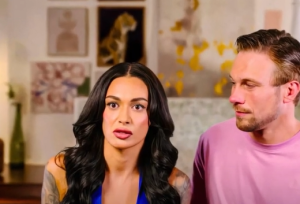
Meanwhile, the backstage buzz grew louder as the reunion’s second installment neared, the cast’s unresolved cliffhanger promising an even more dramatic continuation. Sarah sat in her dressing room, notes in hand, wardrobe pressed yet marred by lines of concern etched across her brow. She mused on a recent interview with a veteran reality TV producer who framed the host’s role as the conductor of a wildly discordant orchestra—one who must produce harmony amid chaos. But this night, Sarah felt less like a conductor and more like a whisperer amid a storm. As the studio lights brightened and the audience’s applause rose into a crescendo, Sarah took the stage again, her voice steady but tinged with the clear undercurrent of strain. The audience’s eager anticipation mixed with a morbid fascination as the cast members’ faces told stories of defiance, apprehension, and simmering resentment. LRA and Salana’s locked gazes foretold that the battle was far from over. Sarah’s opening words attempted to refocus the conversation on the true purpose of the reunion—to discuss love, trust, and the personal journeys that had endeared millions—but the delicate threads of civility seemed threateningly close to unraveling. Their intense exchange, laced with accusations of controlling narratives, preemptive apologies, and personal attacks, left viewers on edge, wondering if this emotional minefield would explode or if the reunion’s host could finally bring the damage under control. What remains undeniable is that Love’s Journey, a show built on the raw realities of human connection, is evolving into a crucible where the challenges of modern relationships meet the harsh glare of public scrutiny, demanding not only new hosts but perhaps a new approach to reconciliation and storytelling altogether.
As the spotlight dims on Season 11’s explosive reunion, the tension remains palpable, a lingering question hanging heavy in the air: who should guide Love’s Journey reunions going forward? The show’s future may hinge on finding a host who combines empathy with authority, compassion with courage to confront uncomfortable truths head-on. In a reality TV landscape where viewers crave both spectacle and sincerity, the reunion host must be the linchpin that holds the delicate balance between stirring drama and dignified discourse. Whether Sarah Jenkins will reclaim her role with renewed vigor or hand the mantle to the likes of Anya Sharma is yet to be decided, but the stakes have never been higher. As fans eagerly await the next chapter, one thing is clear: Love’s Journey is no ordinary show, and its reunion specials are no mere afterthought—they are the explosive heart of a story that continues to captivate, divide, and provoke in equal measure.