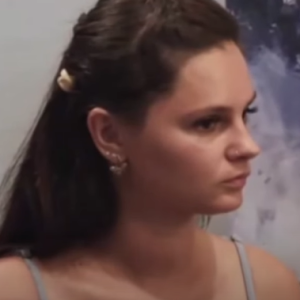
The journey of Greg and Joan from “90 Day Fiancé” is one marked by hope, anxiety, and the raw complexities that define modern love and relationship dreams. Behind the smiles and moments of affection shared on camera lies a story that is far from simple—a couple caught in the throes of an emotional battle with one of the most intimate and heart-wrenching subjects imaginable: the desire to build a family and the painful reality of delay and uncertainty. Joan and Greg’s candid conversations about their struggles to conceive and the heartache of remaining baby-free for longer than they hoped reveal layers of vulnerability that many couples face but few dare to show under the relentless scrutiny of a reality TV spotlight. Their story unfolds with all the drama, tenderness, and tension of a real-life soap opera, where hopes are pinned on a future that feels just out of reach, where love is challenged daily by the unspoken question: will it ever be enough to create the family they long for?
Joan, whose spirited personality and unshakable optimism shine through every scene, wrestles with feelings that are deeply personal and painful. Despite her youthful energy and warm heart, she faces the empty ache of dashed expectations and the silent grief of seeing other couples move forward while she remains stuck in limbo. She openly shares with Greg and the viewers the crushing disappointment of each month passing without news of pregnancy, a feeling that intensifies the pressure on their relationship. Greg, older and perhaps more pragmatic in his approach, tries to reassure his wife with words of hope and plans for next steps, but underneath his calm exterior lies his own fears—fears of inadequacy, of failing as a partner, and of the potential cracks in the foundation of their marriage that infertility or delay might cause. Together, they ride an emotional rollercoaster, alternating between hope and despair, love and frustration, while the clock ticks relentlessly onward, marking time in a way that feels unforgiving and cold.
Their conversations peel back the glossy veneer of reality TV romance, revealing the real-life struggle many couples encounter but few discuss with such openness. Joan’s yearning for motherhood touches on something elemental, a deep-rooted desire that is tied not just to the future they envisioned together but to her sense of identity and fulfillment. Greg’s willingness to engage in these candid, vulnerable talks with Joan lays bare the emotional toll this journey exacts on both partners, dismantling any illusion that love alone is enough to conquer every adversity. They ponder medical interventions, the possibility of adoption, and the social pressures that weigh heavily on them, both as a couple and as individuals. The dialogue is raw and often painful, underscored by the unspoken tension that lingers whenever hope meets heartbreaking reality. It is this tension—the fragile balance between dreams and disappointment—that drives the drama, making their story compelling and relatable on a deeply human level. 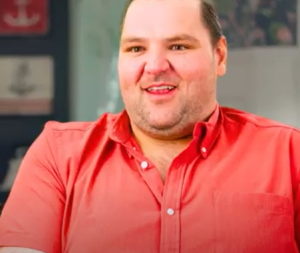
What adds layers of complication to their narrative is not just the intimate challenges they face but the external forces—the glare of public judgment, the relentless commentary from fans and critics, and the cultural expectations that shape their experience. In a world where social media amplifies every detail, Greg and Joan navigate the additional challenge of exposing their vulnerabilities to an audience hungry for both drama and authenticity. Joan’s determination to remain positive and Greg’s steady support create moments of genuine connection, yet also expose fissures that reality TV often glosses over. As they share their journey, they invite viewers into a conversation about the complexities of marriage, love, and parenthood in ways that are seldom depicted with such candor. Their story is a testament to the modern realities many couples face—the clash between romantic ideals and life’s unpredictable hurdles—and the strength required to keep searching for happiness even when the path is fraught with uncertainty.
Ultimately, Greg and Joan’s narrative is more than just a story about family planning—it is a powerful, unfolding drama about resilience, hope, and the enduring human spirit. It challenges the audience to reconsider what it truly means to be a ‘family’ and to appreciate the emotional landscapes within relationships that make them both fragile and extraordinary. As they continue their journey without a timeline, surrounded by love and occasional heartbreak, their story resonates as an intimate portrait of struggle and devotion, a reminder that love’s greatest test is often not just about holding on but about growing together in the face of adversity. Their openness—frank, emotional, and unapologetically human—makes their story unforgettable, crafting a narrative that is both eye-opening and deeply moving, a drama not just watched but genuinely felt by audiences around the world.