The world of reality television has been set ablaze once again as the saga of Shekinah Garner and Sarper Guven erupts into fresh controversy, shattering any illusions that their rollercoaster love story might finally be settling into calm waters because just when fans dared to hope that this duo—whose tempestuous romance captivated audiences from Los Angeles to Istanbul—might be enjoying wedded bliss, a tidal wave of rumors began crashing through social media, fueled by whispers of divorce, secret resentments, and the lingering shadow of Sarper’s past as a notorious ladies’ man whose diary once boasted thousands of conquests, and now with the couple taking to the airwaves on the Sarah Fraser show to address the swirling speculation, the drama has exploded into full view, leaving followers breathless as they dissect every hesitant pause, every careful sentence, every fleeting glance that seemed to betray a deeper fracture beneath the polished reality TV façade because when Sarper looked into the camera and confessed, “We’re happy, we try to be happy,” there was a tremor in his voice that told a story more complicated than any prepackaged narrative and it was clear that behind the Instagram posts of beaming smiles and romantic dinners lurked an exhausting struggle to reconcile their wildly different expectations of love, commitment, and what it means to share a life, with Shekinah candidly admitting that neither of them even wanted to formalize the relationship in the first place, their wedding more a bureaucratic necessity of the K1 visa process than a triumph of passion, and while that confession may have sounded pragmatic to some, it landed like a thunderclap for viewers who had invested years in believing theirs was a love that transcended cultures, continents, and the relentless scrutiny of reality fame, because the truth, it seems, is far messier and more fragile than anyone imagined, as Shekinah recounted the daunting reality of having to choose a private ceremony simply because the very idea of standing up in front of family and friends felt like a suffocating performance they weren’t ready to deliver, and even after all the vows and paperwork, Sarper’s fear of losing his independence kept rearing its head, a fear that manifested in countless small resentments and the ever-present tension over money, over control, over whether either of them had made the biggest mistake of their lives, and though their story began as the quintessential 90 Day Fiancé fantasy—she the glamorous American entrepreneur chasing love across the ocean, he the Turkish charmer willing to uproot everything to be with her—the reality has been an exhausting marathon of logistical nightmares, cultural friction, and the kind of raw vulnerability that no camera crew can truly capture, as Shekinah’s constant trips to Turkey drained not only her finances but her faith in the relationship while Sarper’s struggles to reconcile his deep-seated need for autonomy with the demands of a cross-continental marriage forced them both to confront whether they were building a future or simply postponing an inevitable collapse, and as the rumors of divorce gained traction, Sarper’s weary eyes and Shekinah’s measured tone only seemed to confirm that something fundamental between them had begun to erode, yet for all the cracks, neither seemed fully prepared to let go, clinging to the hope that therapy and time might stitch their unraveling bond back together, though even the announcement that they would appear on 90 Day: The Last Resort felt less like an exciting new chapter and more like an ominous admission that the problems they face are bigger than either is willing to publicly concede, and if there was any lingering doubt about the precarious state of their union, it was erased when Sarper, his voice dropping almost to a whisper, confessed, “I hope she loves me,” a moment so raw and unscripted it left the audience stunned because for all the bravado he once flaunted, here was a man plainly terrified that the woman he had uprooted his life for might be quietly slipping away, and perhaps she is, because as Shekinah described the toll of her constant traveling, the financial strain, the jealousies and insecurities that festered when Sarper’s work with female clients collided with her own anxieties, there was no denying that this marriage was born not solely out of devotion but also out of necessity, a necessity that neither fully believed would hold them together forever, and now as they attempt to carve out new identities in the United States, with Sarper throwing himself into stand-up comedy and fitness workshops in a desperate bid to reclaim the independence he once cherished, the couple stands at a crossroads, their story both a cautionary tale about the price of reality TV fame and a fragile testament to the hope that even the most fractured bonds can sometimes be repaired, though as the public pores over every Instagram post and every ambiguous statement, one can’t help but wonder if Shekinah and Sarper themselves know what they truly want anymore or whether they have simply become characters in a storyline they can no longer control, because in the end, the question that lingers is not whether their love was ever real but whether it was ever enough to withstand the punishing spotlight that has illuminated every flaw, every misstep, and every silent doubt that has haunted them since the day they first dared to believe that love alone would be enough.
Related articles
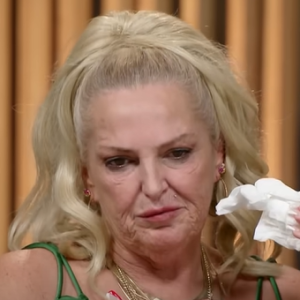
Michael and Angela’s Drama From Season 7 Tell All | 90 Day Fiancé: Happily Ever After | TLC
In the dim glow of backstage lights, a room settles into a heavy hush, as if the air itself is trying to catch its breath. The cameras…

90 Day Fiance: Fans Think Jasmine Might Dump Her Baby Daddy Matt Branis For Her New Boss!
Lean in, stay quiet, and let the room—the camera-lit room—tell its own story. This isn’t just another chapter of dramatic romance or petty squabbles aired for ratings….
90 Day Fiancé: The 10 Most UNHINGED Couples That Broke Reality TV
Step close and lean in, because the room is humming with a tension you can almost taste, a static charge that comes from watching a story spiral…
“Heartbroken Moments’90 Day Fiancé’ Stars Elizabeth & Andrei Confront Alex & Loren!”
Gather close, and lean into the story that unfurls like a shadow creeping along a wall: a tale of fragile loyalties, heated confrontations, and the crushing weight…
Brandon Neglects To Support Julia! 90 Day Fiancé: Happily Ever After?
In the dim glow of a living room that has seen better days, the air hums with a fragile static, the kind you feel in your bones…

Tragic Update Revealed Troubled 90 Day Fiancé EXPOSED Shocking Cast Members Amid Cheating Rumors!
The room holds its breath as if the air itself has learned a new gravity. The lights hover in their halos, not quite bright enough to wash…