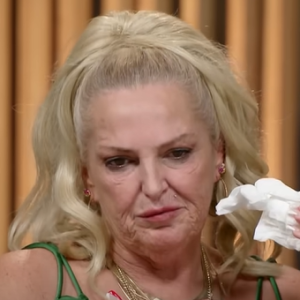
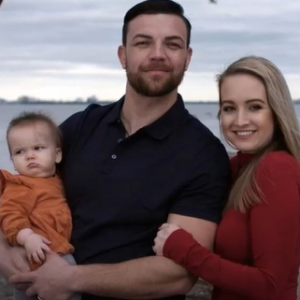
The story of Natalie Mordovtseva’s heartbreak after her breakup with Josh Weinstein is a raw and gut-wrenching journey into the darkest valleys of emotional despair, a tale that resonates deeply with anyone who has confronted the crushing weight of lost love. Natalie’s experience, laid bare in the intimate moments of this saga, pulls no punches in illustrating what happens when the foundation of your world breaks apart—when the person you envisioned a future with suddenly becomes a stranger walking away from your dreams. She reveals the days and nights spent trapped in a suffocating spiral of grief, where basic needs like eating and sleeping became impossible, swallowed whole by an overwhelming sense of loneliness and devastation. The raw admission of mental anguish—the feeling that life itself might never return to normal—cements her story not just as a break-up, but a haunting struggle for survival amid emotional ruin. Natalie’s pain is both personal and universal, a mirror for anyone who has suffered love lost and the shattering identity crisis that follows.
At the heart of this turmoil was a relationship once filled with hope, a connection that seemed destined to defy odds and survive all hurdles, yet ultimately crumbled beneath the strain of unmet expectations and unresolved conflicts. Natalie’s depiction of her time with Josh oscillates between moments of happiness and the growing shadows of doubt and tension. The breakdown was anything but sudden—it was a slow unraveling marked by unspoken grievances, misunderstandings, and the heartbreaking realization that love alone sometimes isn’t enough to hold two people together. The betrayal she felt was not just about infidelity or lies, but the deeper betrayal of dreams and promises that were shattered when communication failed. Natalie’s candid recounting of her devastation exposes the fragility of human connection and the gut instinct that warns when the foundation beneath is cracking, yet we are powerless to stop the fall. In this emotional minefield, every memory hurts, and every moment of silence screams louder than words. 
What makes Natalie’s story especially compelling—and deeply tragic—is the way she opens up about the profound mental and physical toll her heartbreak took on her. Beyond the obvious sorrow, she was plunged into a dark abyss of depression and anxiety, battles fought in the silence of sleepless nights and the emptiness of untouched meals. The self-neglect and despair she describes reveal a frightening portrait of what it means to lose not just a partner but oneself. Her struggle becomes a chronicle of fight and flight within her own mind—caught between the desire to move on and the crippling grip of pain that rooted her to her lowest point. As Natalie grapples with intrusive thoughts and overwhelming sadness, the audience is invited into the very core of human vulnerability, where the brightest light can feel extinguished and the future a bleak void. The honesty in her voice, the raw emotion shared, and the courage it took to admit this personal hell resonate as a poignant reminder that behind every smiling face on screen lies a battlefield of invisible scars.
However, through this darkness, Natalie’s story is not just one of loss but also of resilience and hope—a testament to the human spirit’s capacity to heal and the endless possibility of new beginnings. As she began to awaken from the nightmare of her heartbreak, it was through small but brave steps: seeking support, embracing self-love, and reclaiming control over her life and emotions. The painful days gradually gave way to moments of clarity and empowerment, proving that even the deepest wounds can start to heal. Natalie’s journey illustrates the importance of acknowledging pain rather than burying it, and the strength found in vulnerability and honesty. Her narrative becomes a beacon for anyone trapped in emotional darkness, urging that while love may falter, the capacity to recover and redefine oneself endures. This transformation from shattered to strong adds layers of depth to her story, transcending simple reality TV drama and touching on the universal theme of survival.
In the end, Natalie Mordovtseva’s emotional unraveling and recovery after her breakup with Josh Weinstein is a powerful and gripping saga of love, loss, and redemption that captivates and moves its audience. It peels back the gloss of reality television to reveal the raw heartache behind the scenes and the complex human emotions that often go unseen. Her willingness to share her darkest struggles and eventual path to healing offers a message of hope and strength, reminding us all that heartbreak, while devastating, is not the end of the story. Natalie’s journey is a compelling narrative of suffering and survival, one that echoes far beyond the realm of “90 Day Fiancé” to speak to the resilience within us all. It is a shadowy yet illuminating testament to how even the most profound pain can eventually transform into a powerful, life-affirming rebirth.