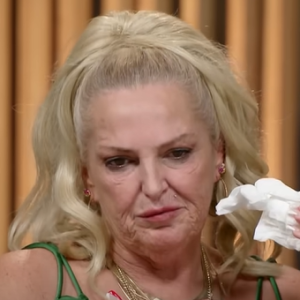
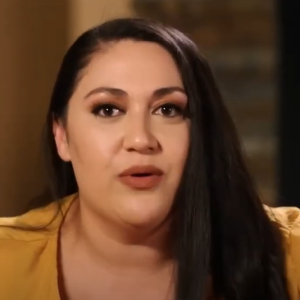
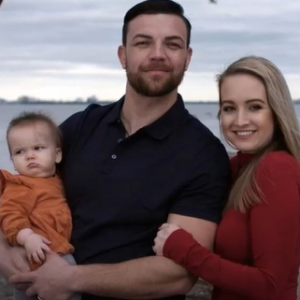
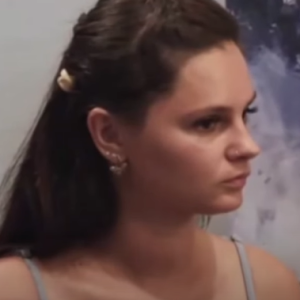
The latest season of “90 Day Fiance: Happily Ever After?” arrives loaded with heartbreak, betrayal, and emotional chaos that throws every couple into a whirlwind of raw conflict and desperate choices. From the very first scenes, viewers are plunged into a world where love is tested not only by distance and cultural differences but by deceit, shattered trust, and explosive confrontations. One couple’s fragile honeymoon dream unravels quickly as the reality of their troubled relationship crashes in; vows become fragile as accusations swirl, and the sanctuary of marriage becomes a battleground where each moment is a fight to survive. The intensity of their struggle is palpable—never before has the phrase ‘marriage is constant work’ been so brutally true. They are forced to confront painful truths, from infidelities to emotional neglect, while battling their own fears and insecurities. It’s in these moments you see the raw vulnerability beneath the carefully crafted reality TV façade, a heartbreaking reminder that real love stories are messy, complex, and rivetingly unpredictable.
The turmoil escalates as accusations of cheating and manipulation shatter the fragile peace that some hoped to establish. The distrust cuts deep; one partner feels betrayed by lies and secretive behavior that threaten to break the family apart. In a stunning moment, the pain of infidelity is voiced with heartbreaking clarity—“someone I can never even trust,” echoes through emotionally charged arguments. The walls close in as partners lash out, their words sharp as daggers, trying to protect themselves from further hurt. The scene where one partner is forced to face the double life their significant other leads is especially gut-wrenching. The suspense builds as viewers watch the unraveling of secrets that range from emotional betrayals to dark, unspoken fears about immigration status and future security. It’s a tale as old as time—a desperate struggle to hold on when everything seems to be slipping away. The lines between love and hate blur as each partner battles not only their spouse but also their own personal demons.
Amid the chaos, there are moments when religion and cultural expectations clash with personal desires, adding layers of complexity and tension. The pressure to conform to strict beliefs about marriage, motherhood, and roles within the family only intensifies the emotional strain. One partner struggles to reconcile their faith with their reality, grappling with the fear of eternal consequences while trying to maintain dignity in a relationship that feels like it’s crumbling. “That’s Allah telling us if we are not following him, we burn forever in hell,” is a chilling reminder of how deeply ingrained these beliefs are, yet it also illustrates how religion can be weaponized in moments of conflict. This clash between spiritual duty and personal turmoil is a dramatic thread that plays out with heartbreaking effects, especially when accusations spill over into harsh name-calling and resentment. The ticking biological clock and fear of an uncertain future add urgency to every decision, making the stakes higher than ever before. 
The physical and emotional intimacy, or lack thereof, is another heartbreaking theme woven through the turmoil, highlighting how distance and unresolved conflict corrode relationships. One spouse laments the lack of sexual connection, using the intimate and pain-laden phrase, “I haven’t had sex in a year,” which starkly contrasts with their plea for closeness and understanding. It’s a desperate cry from a partner craving affection and validation while feeling isolated and rejected. The tension becomes almost unbearable as desires clash with reality, leaving wounds that are invisible but deeply felt. Scenes of physical tenderness become rare, overshadowed by shouting matches and emotional outbursts. This lack of intimacy symbolizes the broader emotional disconnect tearing the couples apart. The show reveals not only the drama but also the loneliness each partner faces amid public scrutiny and personal betrayal, painting a somber picture of relationships pushed to their breaking points.
Finally, the season’s crescendo reaches a point of irreversible decisions and shocking abandonments that will leave audiences stunned. Plans to leave, silent goodbyes, and calculated deceptions culminate in explosive cliffhangers where trust is irrevocably broken. The stakes are painfully real when one partner reveals plans to leave “without you” while covering tracks and escaping the consequences of broken promises. Betrayal isn’t just emotional here—it’s strategic and defiant, a desperate move to reclaim control in a relationship spiraling out of control. The plea for reparation comes with harsh conditions, “If you do want to see me again, I need for Jasmine to know you moved on,” revealing how bitterness festers alongside lingering feelings. The fear of deportation, the ultimate threat in these immigrant-love stories, looms large as a shadow over the couples’ fragile futures. The phrase “I’m scared just like you are” is not just a statement—it’s the heartbreaking voice of millions caught between love, fear, and survival. Every episode unspools a new layer of drama that captivates, horrifies, and compels viewers to stay tuned, desperate to see if these relationships will find their way to a happily ever after—or collapse under the weight of their own tragedies.