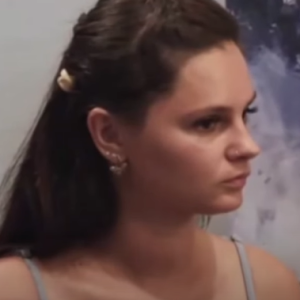
Jovi and Yara’s story is one of love, sacrifice, and the harsh realities faced by couples navigating a cross-cultural marriage under the intense spotlight of “90 Day Fiance.” From their serendipitous meeting on a travel app, where Yara stood out because she never asked for money or extravagant gifts like others, to their awkward first encounter in Budapest, their journey was far from perfect. Jovi, a Louisiana native, and Yara, a passionate Ukrainian woman, instantly faced the challenges of cultural differences and trust issues—as symbolized by Jovi sleeping with his wallet under his pillow on their first night together. Yet, despite the awkwardness and stranger beginnings, their love blossomed quickly, fueled by dreams of being together in America and starting a family.
Moving to the United States was a monumental sacrifice for Yara, who openly expressed the heartbreak of living in a place she despised simply to be with Jovi. Her heartfelt plea to live without drama and pursue happiness struck a chord, revealing the strain that immigration and adjusting to a new life placed on her spirit. Alongside this, Jovi grappled with his own demons—particularly his struggle with alcohol and the pressures of supporting a family on his own terms. Their love was tested daily by conflicting desires: Yara craving independence and connection to her roots, and Jovi longing for stability and to keep his family united under one roof. Each disagreement, from fights over nightlife to the tension of juggling child care and work schedules, laid bare the fragility of their union. 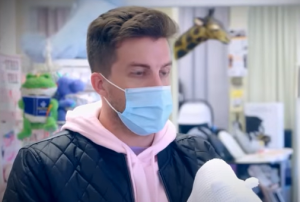
The birth of their daughter, Mila, was a shining moment of hope amid the chaos. It was described as the best experience of Yara’s life and a bonding point that promised a new chapter. Yet, even the joy of parenthood couldn’t shield them from disputes about lifestyle changes, with Jovi yearning for the “fun” they once had and Yara striving to find her identity as both a mother and a woman. Long nights out with new friends stirred jealousy and mistrust, while debates over fairness and shared responsibilities uncovered deeper fears about their future together. It became clear that love alone could not solve the underlying issues born of sacrifice, cultural clash, and unmet expectations.
The looming green card interview introduced a new layer of tension—hopes intertwined with anxiety over their fate in America. Yara’s raw vulnerability about the possibility of deportation back to a war-torn Ukraine painted a stark portrait of immigrant fears. Together, they navigated the complexities of proving their marriage’s legitimacy to skeptical authorities, tackling surreal questions from favorite colors to personal quirks—a test not just of paperwork, but of love and commitment. Their eventual success was a euphoric turning point, giving Yara the freedom to travel and the couple a tentative peace, though the underlying cracks in their relationship remained, foreshadowing future struggles.
Perhaps the most poignant drama of all unfolded when Yara expressed a desire to stay longer in Europe to reconnect with her family and support causes important to her, igniting a crisis of trust and control between the couple. Jovi’s fears for their safety and the future of their family clashed with Yara’s yearning for autonomy and happiness away from a US life that felt confining and lonely. Their interactions became charged with accusations of selfishness, distrust, and misunderstandings, yet underneath the volatility lay a deep love and a desperate wish to find common ground. In their most intimate moments, they revealed the raw truth of many immigrant marriages: love is complicated by boundaries, sacrifices, and the quest for identity—and the hope that, despite every fight and doubt, happiness might be found together.