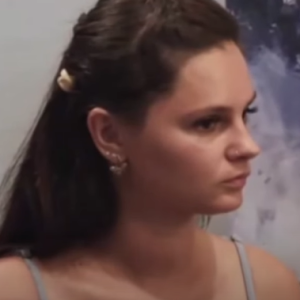
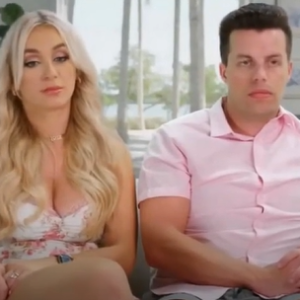
The latest revelation about Season 9 of 90 Day Fiancé: Happily Ever After dropped like a bombshell, igniting a firestorm across the devoted fan base as producers shocked viewers by cutting one of the most cherished couples from the lineup, sending ripples of disbelief and controversy through social media and beyond. For years, fans have followed these couples’ rollercoaster journeys of love, heartbreak, and cultural clash, weaving their own hopes and heartbreaks into the narrative as the cameras revealed raw, unfiltered glimpses of their lives. But this time, the news came that despite their popularity and the emotional investment viewers had in them, the network pulled the plug abruptly on a couple whose story had been a beacon of hope amid the often chaotic drama that defines the franchise. The couple, who had won hearts with their relentless devotion despite seemingly insurmountable odds, found themselves excised not due to lack of viewer interest but reportedly because behind the scenes there were irreconcilable differences with production and a mounting pile of controversies that producers claimed were too disruptive for the season’s narrative flow. Fans scrambled to piece together the true story behind this sudden and unsettling decision, with rumors swirling about disagreements that escalated into outright confrontations off-camera, legal entanglements, and personal scandals. The announcement was accompanied by a wave of backlash from supporters, who flooded social media with petitions demanding the couple’s reinstatement, hashtags trending worldwide as they accused the producers of unfairly censoring authentic relationship struggles in favor of manufactured drama meant to boost ratings. This unprecedented move exposed the fragility beneath the colorful lives on screen and challenged the very nature of reality television’s promise of truth, leaving viewers torn between loyalty to their favorite personalities and skepticism about the show’s editorial choices.
As the fallout intensified, insiders leaked details that painted a far more complex picture behind the cutting room decisions. Producers revealed that the couple’s offscreen disputes had grown increasingly toxic, creating a hostile environment not only for themselves but for the entire cast and crew. Issues related to trust, safety, and mental health allegedly came to a head, forcing a hard choice between preserving the couple’s storyline and maintaining a workable atmosphere on set. Some whispered that the couple’s dynamic was no longer constructive but rather destructive, with episodes of manipulation and control climbing to new heights that even showrunners found hard to condone. What had been perceived by many fans as a passionate and resilient partnership began to reveal darker undertones that raised serious ethical questions about the responsibility of the showrunners. This revelation polarized the fan community, some insisting that the couple deserved empathy and understanding given their struggles with cultural differences and family opposition, while others argued that the protective stance of the network was justified to prevent the glorification of toxic relationships. Meanwhile, the remaining cast members faced the daunting task of picking up the narrative pieces and filling the void left by the sudden absence, amidst whispers that the season itself might be reshaped significantly to accommodate the fallout. Drama, clearly, was no stranger to 90 Day Fiancé; but when it spills over beyond the screen, it forces all involved to reconsider the boundaries of entertainment—and accountability.
The impact of cutting such a beloved couple reverberated far beyond the immediate fan controversies. It opened a broader discussion about the ethics of reality TV casting and editing practices. For years, audiences have questioned whether the drama viewers consume is authentic or manipulated, but these developments brought the issue into sharper focus. Are producers responsible for protecting participants from themselves or from each other while still delivering compelling content? How far can a reality show go before it crosses the line from chronicling real life to manufacturing spectacle? Industry experts weighed in, highlighting that the 90 Day Fiancé franchise, with its unique blend of cultural conflict, romance, and legal complications, operates in a precarious arena where personal vulnerability is often exploited for ratings. This latest upheaval suggested that even with careful vetting and psychological supports, some situations spiral beyond control, forcing production teams into difficult decisions that can alienate loyal viewers and disrupt carefully crafted story arcs. Social media storms over the cast cut underscored a growing impatience among audiences for transparency and fairness, demanding better communication from networks about the reasons behind such choices. Yet, despite the backlash, producers maintained their stance, emphasizing that their primary responsibility is to create a safe working environment while delivering a program that reflects the realities of complex intercultural relationships honestly, without glorification of harmful behaviors.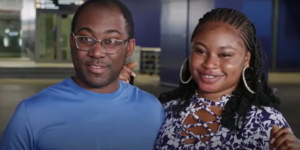
Amid this turbulence, questions inevitably arose about the future direction of 90 Day Fiancé: Happily Ever After and how the show would evolve to maintain credibility and viewer engagement. The decision to remove a fan-favorite couple sent a clear signal that the franchise was willing to make tough choices, but at what cost? Behind closed doors, producers reportedly brainstormed strategies to weave new storylines that would bring fresh faces with different dynamics to renew the series’ energy while learning from past lessons. An emphasis on more rigorous psychological evaluations and conflict resolution mechanisms seemed likely to be introduced to prevent similar crises. Moreover, there was talk about amplifying the voices of therapists and experts on the show to provide context to the complex emotional and cultural challenges faced by couples navigating their ‘happily ever after’ dreams under the public eye. This shift toward responsible storytelling reflected a growing awareness that raw drama alone no longer suffices to sustain long-term audience interest—viewers crave narratives imbued with empathy and resolution, even amidst conflict. Meanwhile, loyal fans remained cautiously optimistic, eager to see whether the show could retain its signature mixture of passion and unpredictability while fostering healthier depictions of love and partnership. As the franchise charts its course forward, the balance between entertainment and integrity remains the show’s most delicate and defining tightrope.
Ultimately, the shocking cut and the aftershocks that followed underscore how 90 Day Fiancé: Happily Ever After is much more than just a reality series; it is a cultural phenomenon reflecting contemporary struggles around love, identity, and belonging in a globalized world. This season’s upheaval mirrors the real-life drama that many couples face but also exposes the high stakes of translating those stories into televised form. Viewers are reminded that behind the fiery arguments, tearful confessions, and romantic highs are humans grappling with vulnerability, expectations, and fallout that can quickly complicate into chaos. As the season unfolds without the once-beloved couple’s presence, fans and critics alike remain captivated by what will come next but are also prompted to reflect on the costs of storytelling in this provocative reality TV universe. In this tension between spectacle and sincerity lies the enduring power—and peril—of 90 Day Fiancé. What emerges remains to be seen, but one thing is certain: this franchise continues to challenge perceptions of love in the modern era, where happily ever after is never quite guaranteed, and every revelation has the power to shock, divide, and ultimately captivate.